Grandmother Gatekeeper
The Queen of Peace and the Queen of Death

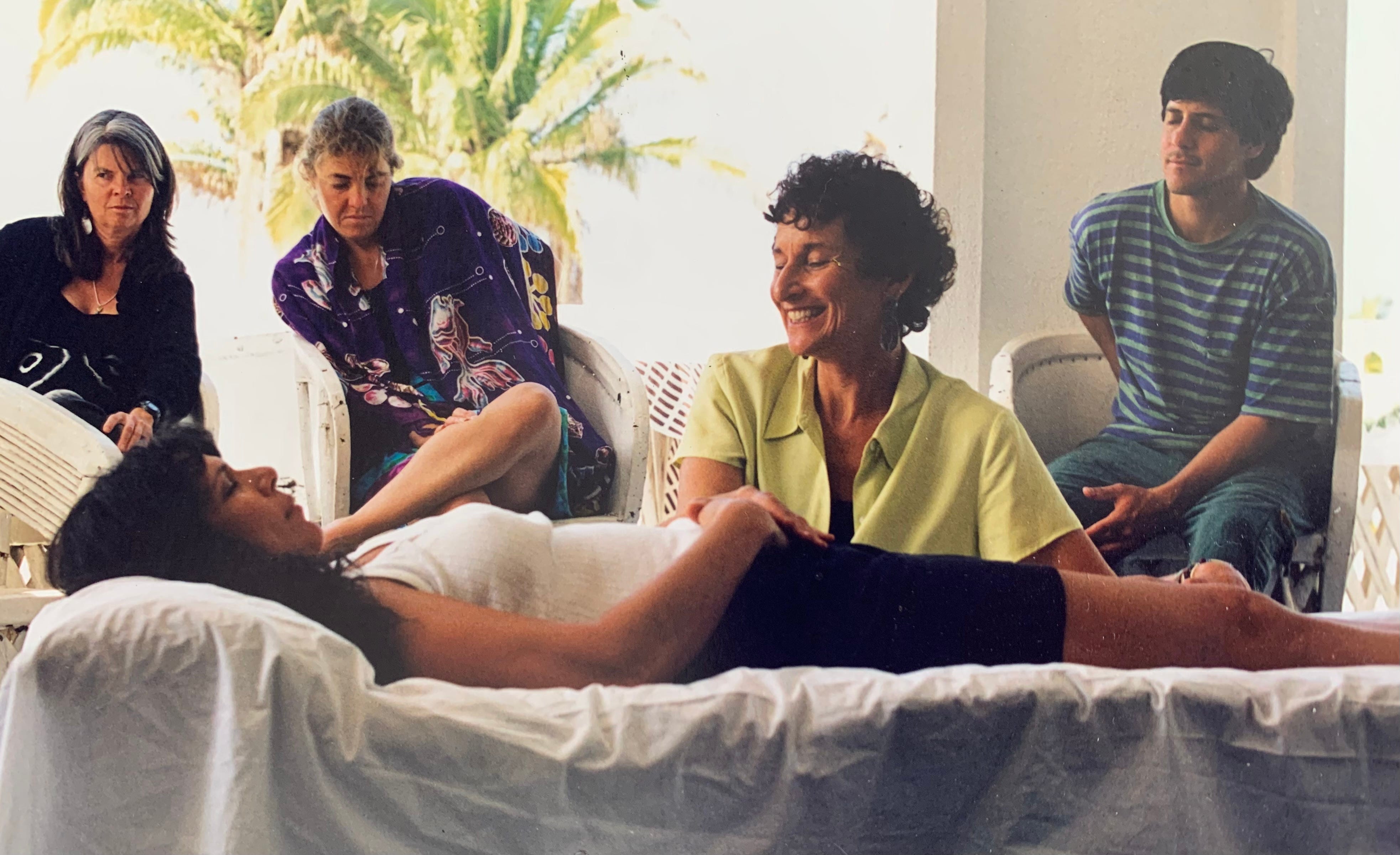
For centuries, grandmothers have been known as the guardians of life’s transitions. Although modern culture has stripped this role of its honor and visibility, the power of the Grandmother Gatekeeper endures. In my teaching and practice around the world, women of all ages who study with me often speak of their longing for a Grandmother Gatekeeper to guide them across life’s thresholds.
I had the remarkable good fortune of meeting a Gatekeeper Grandmother, Maata Wharehoka. It is only in retrospect, one year since her passing, that I realize how she initiated me into becoming a Medicine Woman and a Gatekeeper myself. She was ten years my junior, but that chronology is irrelevant and a patriarchal construct. She was the Gatekeeper to my rite of passage because she held the Indigenous keys to the mysteries that had been denied me.
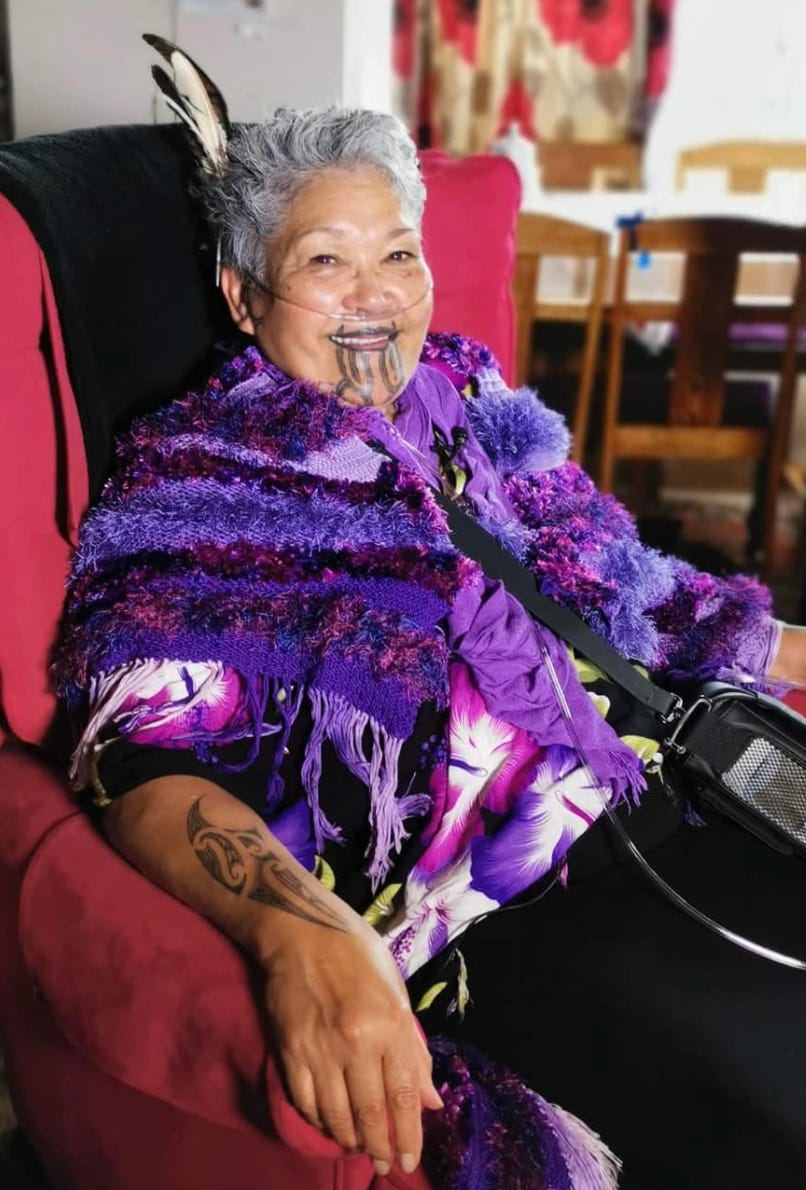
Maata’s connection to her ancestry, to her sacred lineage, to the rooted rituals of her people, made her ageless. I am humbled by her generosity in leading me over the threshold and nourishing the seed within me of the True Grandmother. In asking me to write her biography, she was telling me to nourish that seed in every woman I encounter. This is what Crone Speak intends to do, and this is what Maata’s story, The Spirit of Manaaki does. Each chapter ends with inquiries that resemble the kinds of probing questions Maata asked me every time we met over the decade of our relationship.
These questions, like Maata’s, are not didactic inquiries. They are meant to be enlivening, adamant and active directives to discard thinking about your response to generating it at the core of somatic being. This is how we reclaim our indigeneity. This is how we are initiated.
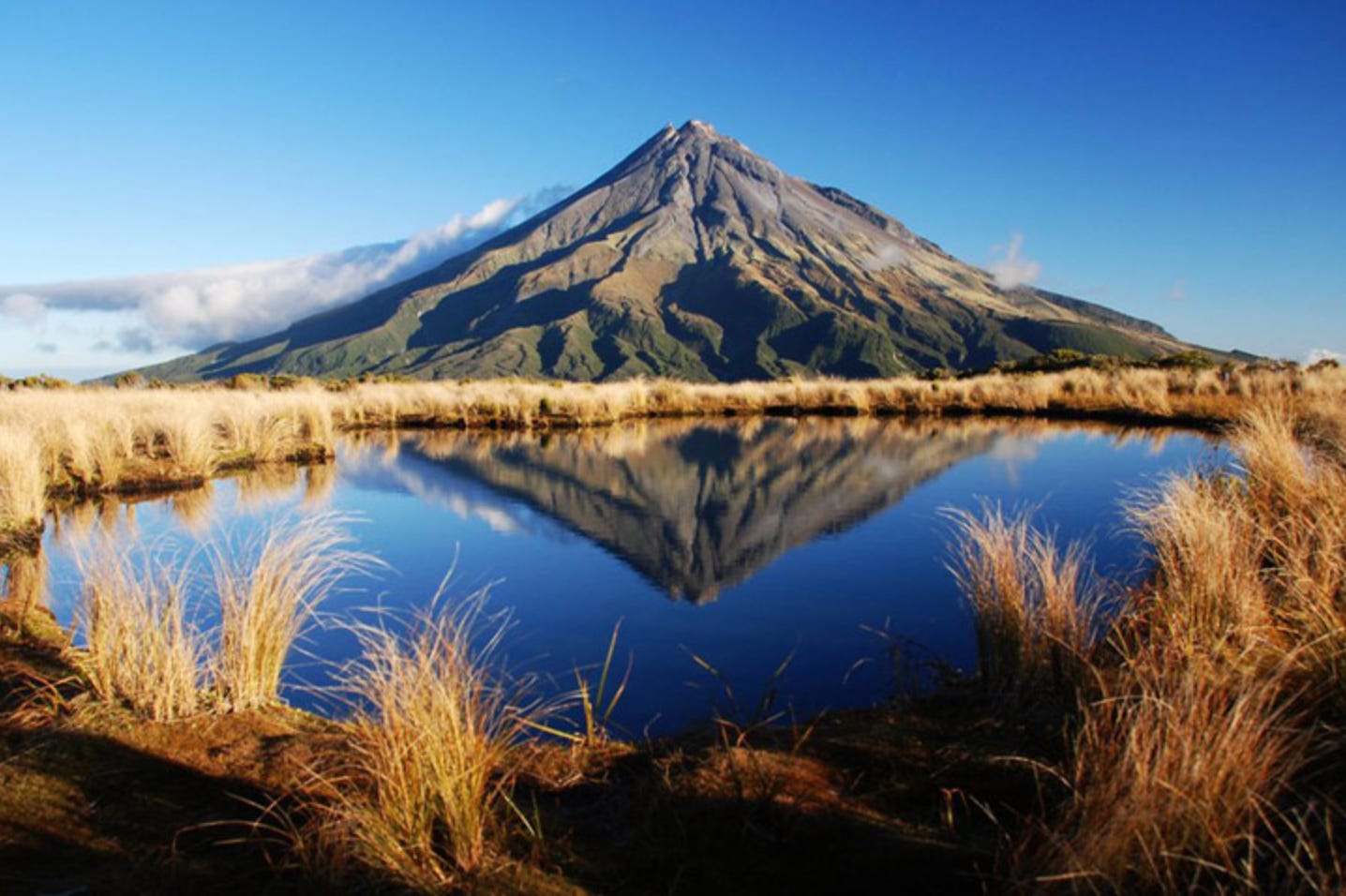
Maata is the Queen of Peace because she continued the wisdom of Parihaka, the birthplace of nonviolent activism. She is also the Queen of Death. In fact, Maata made it clear that death and dying are rituals of peace-making. Maata delineated the threshold practices for death and dying called Kahu Whakatere. This translates to mean the Amniotic Sac of Death. Kahu Whakatere is also the navigation instructions for transition beyond embodied life.
Kahu Whakatere is revolutionary while, at the same time, it is also traditional tikanga, or sacred practice. It decolonizes death. It strips death and dying of its capitalistic manipulations designed to industrialize, sanitize, and steal the power of death from us while making a profit. Kahu Whakatere, one of Maata’s most significant legacies, restores the participatory nature of death and dying, eradicating the passivity of the grieving process, and bringing community together to acknowledge, recognize, feel, honor, and engage in what Maata called the deathing threshold.

Maata Wharehoka reclaimed the right to die in the arms of love and community for all who dare to make room for death in their own homes. Kahu Whakatere opens the family space so that the one who is departing, and the family members who are saying good-bye to the embodied presence of that beloved, are in dynamic relationship with each other. They are resolving their differences, celebrating their history, creating a peaceful passage together.
The Kahu Whakatere space is utterly authentic, transparent, dynamic, participatory and communal. Children play in the room where the dying person is moving across the threshold of life. Food is cooked. The death garments are woven. Death is life and life is death. That is true wisdom, and the Grandmothers guard the integrity of that gateway. This is our destiny. Our purpose. Our inherent wisdom.
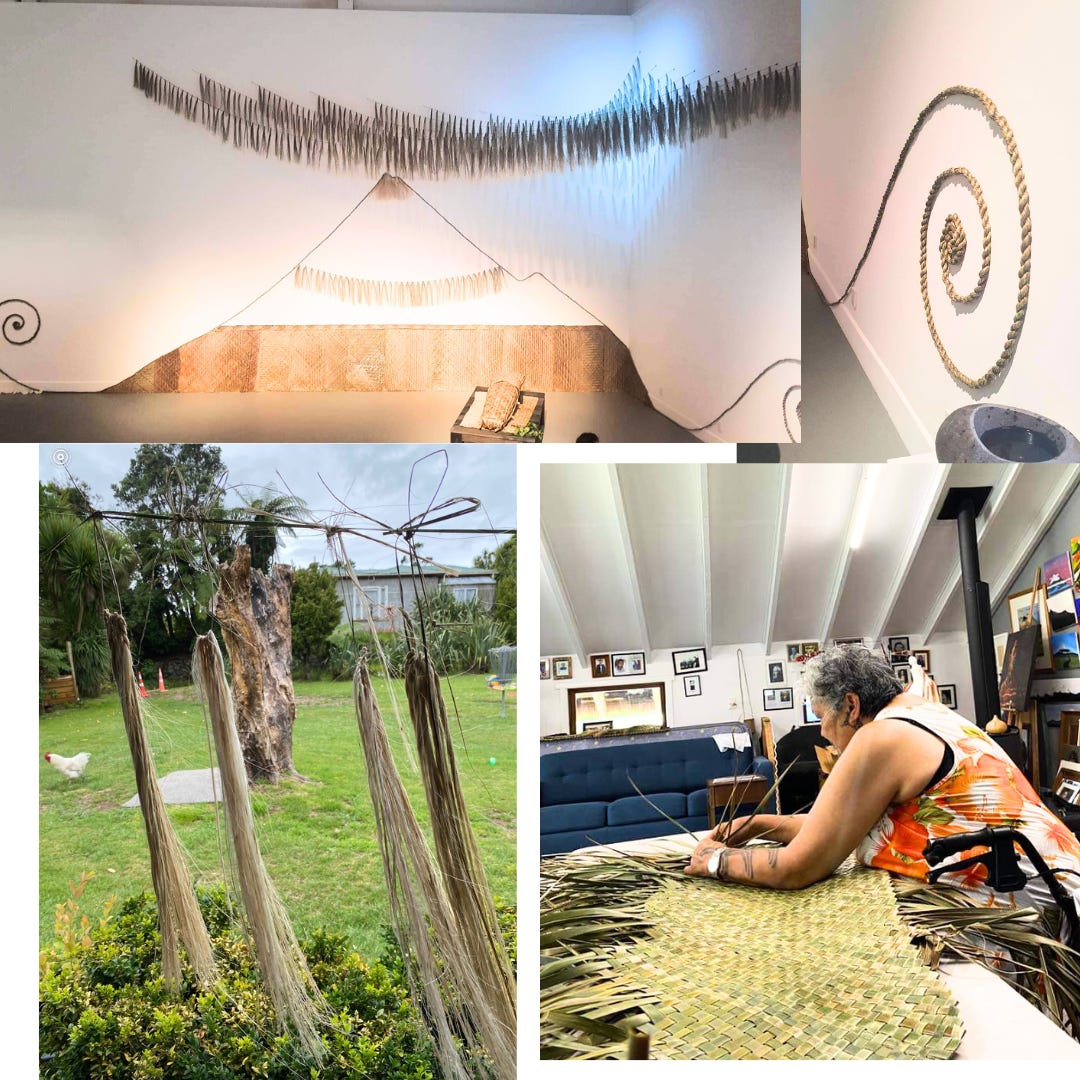
What will it take for the grandmothers reading this to claim this guardianship for themselves? Maata did not step into that role lightly. She studied, lived the practice, consulted her ancestors, listened deeply to them, and surrendered to their wisdom. She embodied her role as keeper of the threshold in her own singular way. She did not imitate anyone else.
Maata assembled the elements of Kahu Whakatere with the same care she brought to everything that she created. She designed mats and capes, the structures and garments, which made Kahu Whakatere a work of art. In fact, her last public appearance was an exhibit called Fibrous Soul that highlighted her weaving of the sacred passageway components of Kahu Whakatere. Maata was quite ill as she completed the Fibrous Soul elements. Weavers throughout Aotearoa New Zealand came to help her. I was fortunate enough to be there and to sit in their circle as we helped Maata manifest Fibrous Soul. It was the least we could do for this masterful Grandmother Guardian.
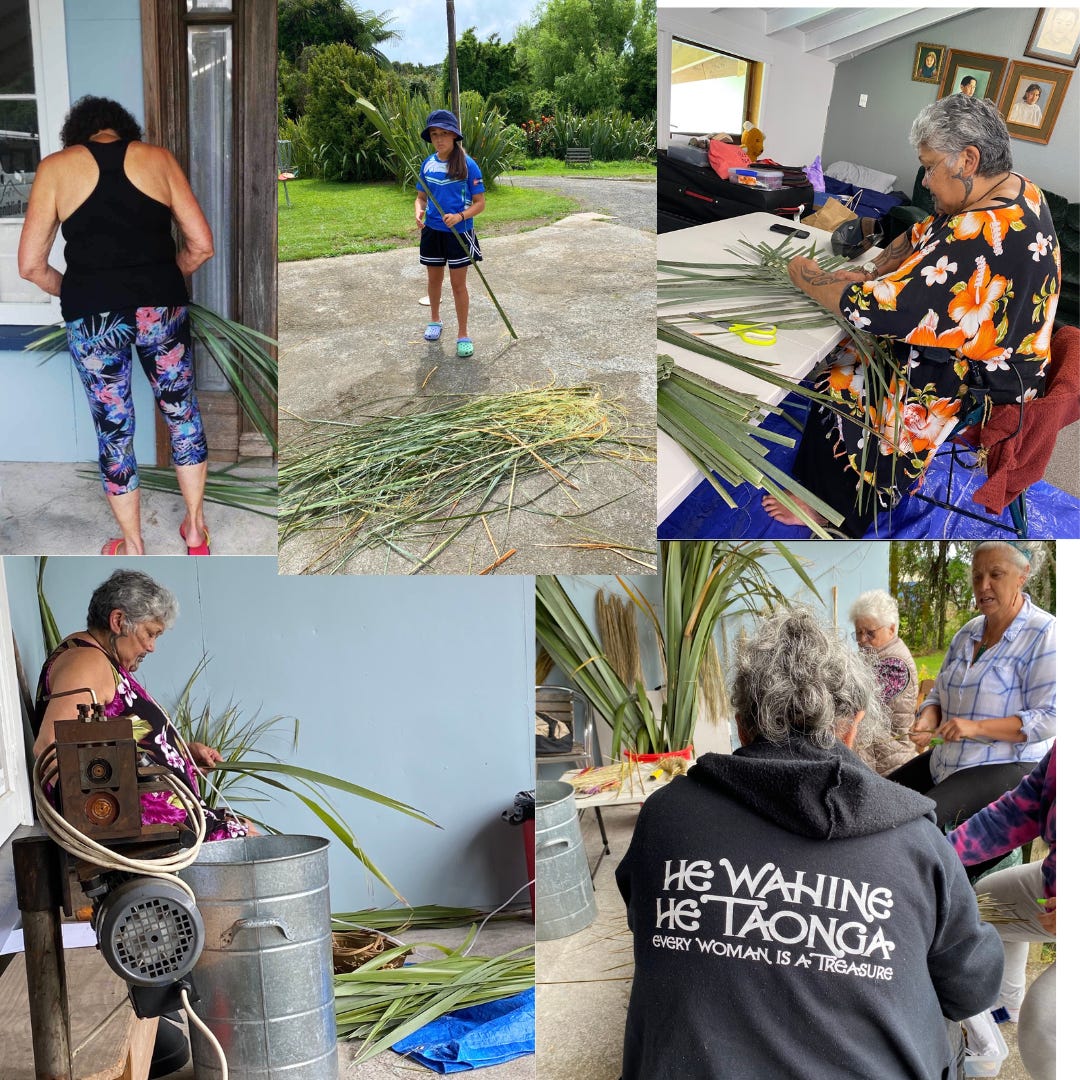
How will you accept the mantle of Gateway Guardian? How can we as a global community of grandmothers accept the task of being present for younger women, the women who are waiting for us to be the keepers of the thresholds of life? This is the glory of our third act. It requires that we regenerate this role for ourselves and claim it with the dignity and surrender it deserves.
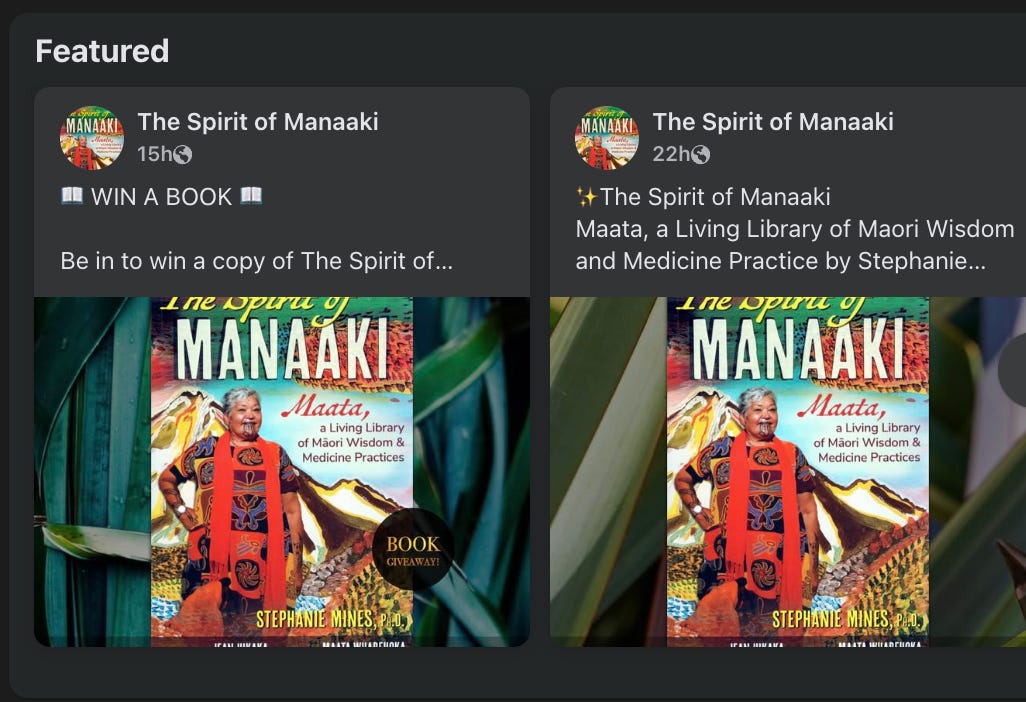
Join The Spirit of Manaaki Facebook page and learn how to win a copy of the book!